
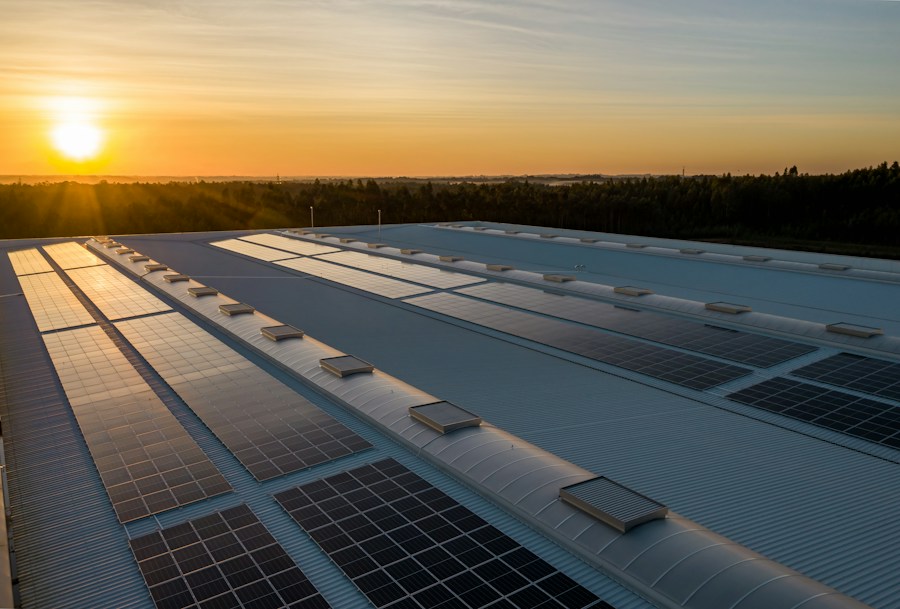
Electrical engineers are the backbone of the renewable energy revolution. They are the silent architects designing and implementing the systems that harness sunlight, wind, water, and other natural forces to power our world. Without their expertise, the transition to a sustainable energy future would remain a distant dream. This article delves into how these professionals are actively shaping the landscape of renewable energy, from the fundamental science to the practical application, and what challenges and opportunities lie ahead.
Key Takeaways
- Electrical engineering contributes to renewable generation, power conversion, storage controls, monitoring, and grid integration.
- Variable solar and wind output creates coordination challenges that involve forecasting, storage, and balancing supply with demand.
- Reliable renewable systems also need attention to power quality, communications, protection, and cybersecurity.
The Foundational Pillars: Understanding Renewable Energy Sources
Electrical engineers don’t just plug things in; they fundamentally understand how energy is generated from natural sources and how to convert it into a usable form. This involves a deep dive into physics and material science, transforming raw natural phenomena into consistent power.
Solar Energy: Capturing the Sun’s Bounty
The sun is an inexhaustible furnace, and electrical engineers are the ones who’ve figured out how to build the sophisticated nets to catch its energy.
Photovoltaics (PV) Systems
This is probably the most visible aspect of solar energy. Electrical engineers design and optimize solar panels, those ubiquitous arrays of cells that convert sunlight directly into electricity. They work on the semiconductor materials that make this conversion possible, improving efficiency and durability. Think of it as refining the very fabric of the material to absorb more light and generate more electrons.
Concentrated Solar Power (CSP)
Beyond panels, CSP systems use mirrors to focus sunlight onto a receiver, heating a fluid to produce steam that drives turbines. Electrical engineers are crucial in designing the control systems that precisely track the sun, manage the heat transfer, and ensure the efficient operation of the turbines and generators. It’s like orchestrating a symphony of mirrors to concentrate immense heat for power generation.
Grid Integration of Solar Power
One of the biggest challenges with solar is its intermittent nature – the sun doesn’t shine at night. Electrical engineers develop smart grid technologies, energy storage solutions (like advanced batteries), and sophisticated forecasting algorithms to ensure a stable and reliable power supply from solar farms, smoothing out the peaks and valleys of production.
Wind Energy: Taming the Gusts for Power
Wind turbines are the modern windmills, and electrical engineers are the ones who ensure these giants gracefully and efficiently convert kinetic energy into electrical energy.
Turbine Design and Control Systems
Electrical engineers are involved in every aspect of wind turbine operation, from the generators within the nacelle to the complex control systems that adjust blade pitch and yaw to maximize energy capture in varying wind conditions. They design the electronics that monitor performance, predict wind patterns, and communicate with the grid. Imagine a sophisticated brain managing a giant spinning machine to extract the most power possible.
Offshore Wind Farms
The challenges of building and operating wind farms at sea are immense. Electrical engineers design the subsea cables, the grid connections, and the robust control systems needed to withstand harsh marine environments and transmit power efficiently back to shore. This involves dealing with the added complexity of transmission over long distances and through saltwater.
Wind Power Forecasting and Grid Stability
Similar to solar, wind power can be variable. Electrical engineers develop sophisticated models and use real-time data to forecast wind speeds and power output, integrating this information into grid management systems to maintain balance and prevent disruptions.
Bridging the Gap: Energy Storage and Grid Modernization
The most brilliant renewable energy generators are only part of the puzzle. What happens when the sun sets or the wind dies down? This is where electrical engineers shine in developing solutions for energy storage and modernizing our power grids.
Advanced Energy Storage Solutions
Energy storage is the battery that keeps the renewable dream alive. Electrical engineers are at the forefront of developing and integrating various storage technologies.
Battery Technology Advancements
From large-scale grid batteries to smaller systems for homes, electrical engineers are involved in the design, testing, and integration of battery management systems. They work on improving energy density, charge/discharge rates, lifespan, and safety of batteries, making them more viable for storing vast amounts of renewable energy.
Other Storage Technologies
Beyond batteries, electrical engineers explore and implement other storage methods like pumped hydro storage, compressed air energy storage, and flywheels. Each technology has its unique set of engineering challenges that require specialized knowledge to design, optimize, and integrate into the existing grid.
Integration of Storage with Renewables
The real magic happens when storage is seamlessly integrated with renewable sources. Electrical engineers design the control systems that decide when to charge batteries, when to discharge them, and how to balance supply and demand in real-time, ensuring a consistent power flow.
Smart Grids and Distribution Networks
Our old power grids are like leaky pipes; they lose energy and aren’t very responsive. Electrical engineers are busy rebuilding them into smart, efficient, and adaptable systems.
Enhanced Grid Monitoring and Control
Smart grids utilize advanced sensors and communication technologies to monitor power flow in real-time, detect faults, and reroute power to minimize outages. Electrical engineers design these sophisticated monitoring and control systems, turning a passive network into an active, intelligent one.
Demand-Side Management
Electrical engineers develop systems that allow consumers to actively participate in managing their energy consumption. This includes smart meters, home energy management systems, and pricing signals that encourage electricity use during periods of high renewable generation. It’s about giving consumers more control and making them active participants in energy management.
Microgrids and Distributed Generation
Microgrids are like self-sufficient mini-grids that can operate independently from the main grid, often powered by local renewable sources. Electrical engineers design these systems, ensuring their resilience and reliability, especially in remote areas or during grid emergencies.
The Innovation Engine: Research and Development in Renewables
The progress we’ve seen in renewable energy isn’t a happy accident; it’s the direct result of relentless research and development, with electrical engineers at the helm. They are the explorers charting unknown territories in energy science.
Next-Generation Solar Technologies
While current solar panels are impressive, the quest for even better solutions continues.
Perovskite Solar Cells
These emerging solar cells offer the potential for higher efficiencies and lower manufacturing costs. Electrical engineers are investigating their stability, scalability, and integration into various applications.
Advanced Materials and Nanotechnology
The application of nanotechnology and novel materials is pushing the boundaries of solar energy conversion. Electrical engineers explore how these tiny structures can improve light absorption, charge transport, and overall panel performance.
Building-Integrated Photovoltaics (BIPV)
Imagine buildings that generate their own power through their facades and roofs. Electrical engineers are designing solar materials that can be seamlessly integrated into building components, making every structure a potential power generator.
Advanced Wind Turbine Technologies
The wind industry is also constantly evolving, seeking greater efficiency and broader applicability.
Vertical Axis Wind Turbines (VAWTs)
While less common than traditional horizontal axis turbines, VAWTs offer advantages in certain environments. Electrical engineers are refining their designs and control systems for improved performance and quieter operation.
Airborne Wind Energy Systems
This is a more futuristic concept involving kites or drones that harness stronger, more consistent winds at higher altitudes. Electrical engineers are developing the systems to control these airborne devices and transmit the generated power down.
Wind Turbine Performance Optimization
Continuous research focuses on aerodynamic improvements, lighter and stronger materials, and more intelligent control algorithms to extract every bit of energy from the wind.
Emerging Renewable Energy Frontiers
The ingenuity of electrical engineers extends to exploring and harnessing entirely new forms of renewable energy.
Geothermal Energy Systems
While often seen as a civil engineering feat, electrical engineers are vital in designing the power generation systems, including turbines and generators, that convert the Earth’s heat into electricity.
Tidal and Wave Energy Converters
Harnessing the power of our oceans presents unique engineering challenges. Electrical engineers are designing robust and efficient systems to capture energy from tides and waves, often in harsh marine environments.
Bioenergy and Hydrogen Fuel Cells
The conversion of organic matter into energy and the development of efficient hydrogen fuel cells are active areas of research where electrical engineers play a crucial role in designing the electrochemical processes and power management systems.
The Integration Challenge: Connecting Renewables to the Grid
Simply generating renewable energy isn’t enough; it needs to be reliably delivered to homes and businesses. Electrical engineers are the master connectors, ensuring that diverse renewable sources seamlessly integrate into our existing power infrastructure.
Grid Interconnection Standards and Protocols
As more renewable sources come online, standardized ways of connecting them to the grid become essential. Electrical engineers develop and implement these standards, ensuring compatibility and preventing system disruptions.
Power Electronics and Inverters
Renewable sources often produce direct current (DC), while our grids use alternating current (AC). Power electronics, particularly inverters, are the crucial translators. Electrical engineers design and optimize these devices to efficiently convert DC to AC, manage voltage and frequency, and provide grid support functions.
Harmonic Distortion and Power Quality
The introduction of new power electronic devices can sometimes introduce harmonic distortions into the grid, affecting power quality. Electrical engineers develop filters and control strategies to mitigate these issues and maintain a clean and stable power supply.
Cybersecurity of Renewable Energy Infrastructure
With increasingly interconnected and digitized systems, ensuring the cybersecurity of renewable energy infrastructure is paramount. Electrical engineers are involved in designing secure communication networks, access controls, and data protection measures to safeguard these critical assets from cyber threats.
The Human Element: Education and the Future Workforce
The ongoing success and expansion of renewable energy depend on a skilled and informed workforce. Electrical engineers are not only the doers but also the educators and mentors shaping the next generation of innovators.
Curriculum Development and Training Programs
Universities and technical institutions are constantly updating their electrical engineering curricula to incorporate the latest advancements in renewable energy technologies. This includes courses on solar PV design, wind turbine systems, energy storage, and smart grids.
Professional Development and Lifelong Learning
The field of electrical engineering is dynamic, with rapid advancements. Electrical engineers engage in continuous professional development through workshops, conferences, and advanced certifications to stay abreast of new technologies and best practices.
Inspiring the Next Generation
Outreach programs and mentorship initiatives are crucial for inspiring young students to pursue careers in electrical engineering, particularly in the renewable energy sector. Showcasing the impactful work being done can ignite passion and curiosity.
Ethical Considerations and Societal Impact
Electrical engineers in the renewable energy sector also grapple with the ethical implications of their work, considering issues of energy equity, environmental justice, and the societal impact of technological choices. They are tasked with ensuring that the transition to renewable energy benefits everyone.
In conclusion, electrical engineers are the indispensable force driving the renewable energy revolution. Their expertise spans the entire spectrum, from fundamental scientific understanding to the intricate design and integration of complex systems. As we navigate the urgent need for sustainable energy solutions, the continued innovation and dedication of electrical engineers will be crucial in powering a cleaner, brighter future for all.


